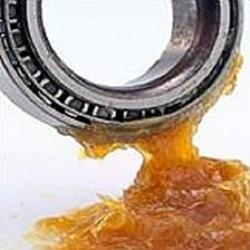
Viscosity Improver
APPLICATION
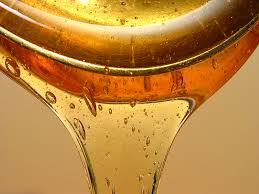
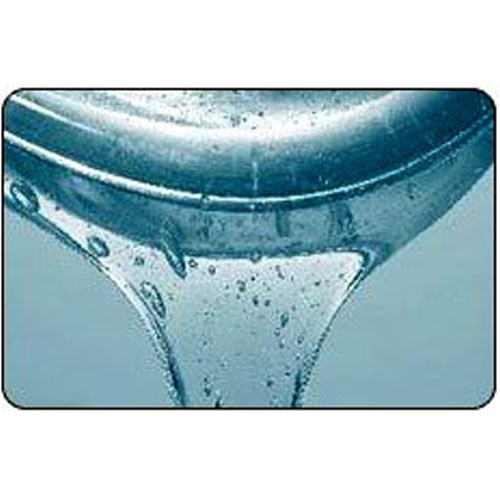
Thickeners and viscosity index improvers are polymeric, and are added to lubricants to reduce the degree of change in viscosity seen at high and low temperatures.Mineral oil lubricants become less effective at high temperatures because heat reduces their viscosity and film-forming ability. The traditional solution to this problem was to make seasonal oil changes in some applications. With the advent of viscosity improvers, that’s no longer necessary or desirable.When viscosity improvers are added to low viscosity oils, they effectively thicken the oil as temperature increases. This means that the lubricating effect of mineral oils can be extended across a wider temperature range.
Packing size
210 litres / 205 litresTypes Of Viscocity Improver (VI)
- AOC Oil 1100 WHITE
- AOC OIL 1100 YELLOW
Greases
Grease is a semisolid lubricant. The characteristic feature of greases is that they possess a high initial viscosity, which upon the application of shear, drops to give the effect of an oil-lubricated bearing of approximately the same viscosity as the base oil used in the grease. This change in viscosity is called shear thinning. Grease is sometimes used to describe lubricating materials that are simply soft solids or high viscosity liquids, but these materials do not exhibit the shear-thinning properties characteristic of the classical grease. For example, petroleum jellies such as Vaseline are not generally classified as greases. Greases are applied to mechanisms that can only be lubricated infrequently and where a lubricating oil would not stay in position. They also act as sealants to prevent ingress of water and incompressible materials. Grease-lubricated bearings have greater frictional characteristics due to their high viscosity.
- Wheel bearing grease
- Multi purpose grease
- EP grease
- Chassis Grease